
Portuguese Breakfast: Traditional Foods, Popular Drinks, and What People Eat in Portugal

A Portuguese breakfast is a very simple and very tasty part of Portuguese culinary tradition. It is called pequeno-almoço in Portuguese, and it is usually made up of fresh bread, butter, cheese, ham, toast, pastries and coffee. The traditional Portuguese breakfast is usually much lighter, faster to prepare, and more practical than the big cooked breakfasts prepared by people living in other parts of the world.
When it comes to beginning your day, there is nothing like a warm slice of buttered toast or the famous pastel de nata that is served with an espresso. There are many other delicious breakfast options available in Portugal. Local cafes, bakeries, and pastry shops all play an important role in Portugal’s breakfast culture. No matter where you may be traveling within Portugal, (Lisbon, Porto, etc.) knowing about the traditional breakfasts of Portugal will allow you to have a truly Portuguese breakfast experience.
What Is a Traditional Portuguese Breakfast?
Traditional Portuguese breakfasts are called pequenos-almoços (little lunches) and are typically served in the morning, usually around 7:30-10:00.
Portuguese breakfasts tend to be simple. Many people start their day by drinking coffee (or another beverage) and having some type of baked goods (bread, toast, sandwich, pastry). There is a mix of people who eat breakfast at home, and people who stop off at a local cafe/pastelaria on their way to work/school.
The official tourism guide of Portugal states that most people begin their day with a simple meal consisting of coffee or juice and some form of bread product (such as toast or a sandwich). Therefore, it can be said that bread and beverages form the basis of what many Portuguese individuals eat every morning.
Although breakfast habits vary throughout the United States, there is some variation in breakfast consumption due to personal preference, family tradition, lifestyle, and regional foods available.
10 Popular Portuguese Breakfast Foods
Portuguese cuisine offers a variety of sweet and savoury breakfast options. Here are some popular foods worth knowing.
1. Pão com Manteiga (Bread with Butter)
Pão com manteiga is one of the simplest Portuguese breakfast choices. It consists of fresh bread served with butter. The bread may be a small traditional roll or another local variety.
Some people enjoy it with coffee, while others prefer milk or tea. Its simplicity makes it suitable for a quick everyday breakfast.
2. Torrada (Portuguese Toast)
Torrada is toasted bread, commonly served with butter. It is a familiar option in Portuguese cafés and bakeries.
Depending on the establishment, the bread may be cut into thick slices and toasted until golden. It is often paired with a galão or meia de leite.
3. Pastel de Nata (Portuguese Custard Tart)
Pastel de nata is one of Portugal’s most internationally recognised pastries. It is a small pastry filled with creamy egg custard and baked until the top develops attractive golden-brown spots.
The pastry has a crisp outer shell and a soft, creamy centre. It is often served with a little cinnamon or powdered sugar.
Many people enjoy pastel de nata with espresso. Although it is popular in cafés and can be eaten at breakfast, it is also enjoyed as a snack or dessert.
4. Pão de Deus (Coconut Sweet Bread)
Pão de Deus is a traditional Portuguese sweet bread recognised by its soft texture and coconut topping. Its name translates to “Bread of God.”
It is usually made with a soft, slightly sweet dough covered with a mixture containing grated coconut, sugar, and egg. Some bakeries serve it plain, while others offer versions with cream or other fillings.
5. Croissant
Croissants are widely available in Portuguese bakeries and cafés. Although they are not originally Portuguese, they have become a familiar breakfast option.
Customers can choose plain croissants or versions filled with chocolate, ham, or cheese. They are convenient for people who want something quick with their morning coffee.
6. Pão com Queijo (Bread with Cheese)
Pão com queijo is a basic, but tasty, savory breakfast option of fresh bread and cheese. Portuguese bakeries have a variety of types of bread and local cheese options, allowing customers many choices.
It provides a good alternative for those who like savory foods better than sweet baked goods.
7. Pão com Fiambre (Bread with Ham)
Another type of breakfast that is very popular, in addition to the ones mentioned above, is a piece of bread with “fiambre,” or cooked ham inside. You may eat this as a simple sandwich, or you could add some cheese to it.
The option would be great for those individuals who desire to have an increased breakfast size in the morning but do not want to cook a large breakfast.
9. Bolo de Arroz (Portuguese Rice Cake)
Bolo de arroz is a traditional Portuguese bakery product. While the name may imply otherwise, bolo de arroz is typically a small, slightly sweet pastry (or cake) that can be prepared using rice flour, wheat flour, or a mixture of both types of flour, depending upon the recipe.
It has a soft texture and is often served with coffee or tea.
10. Queijadas (Traditional Portuguese Cheese Pastries)
Queija das are small Portuguese pastries that have been made from fresh cheese or other dairy based fillings, egg, sugar, and flour.
Different regions have different versions. The Queijadas de Sintra, for instance, are the most popular. These are consumed as a dessert or snack and can be found in bakeries.
Popular Portuguese Breakfast Drinks
Drinks are an important part of the Portuguese breakfast experience. Coffee is particularly popular, but milk-based coffee, tea, and fruit juice are also common choices.
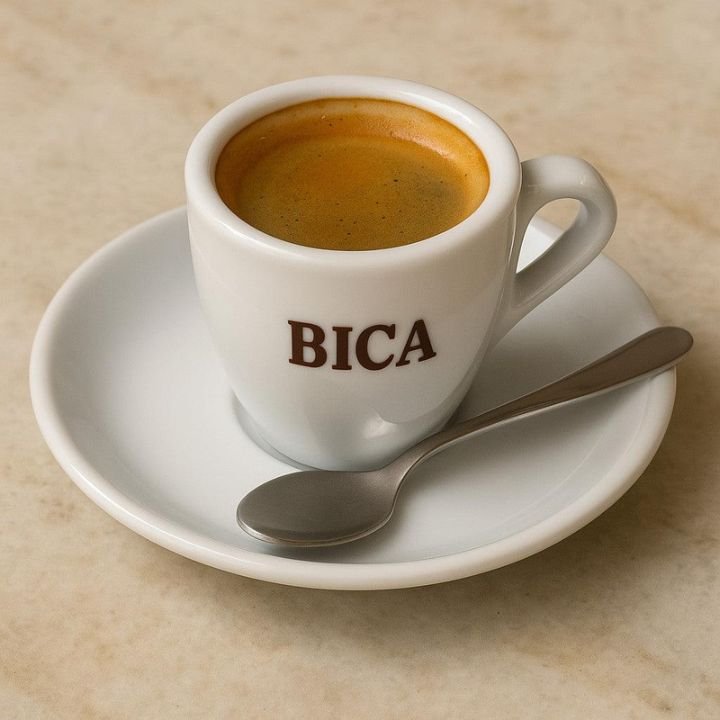
1. Bica (Espresso)
Bica is the name commonly used for espresso in Lisbon. It is a small, strong coffee served in an espresso cup.
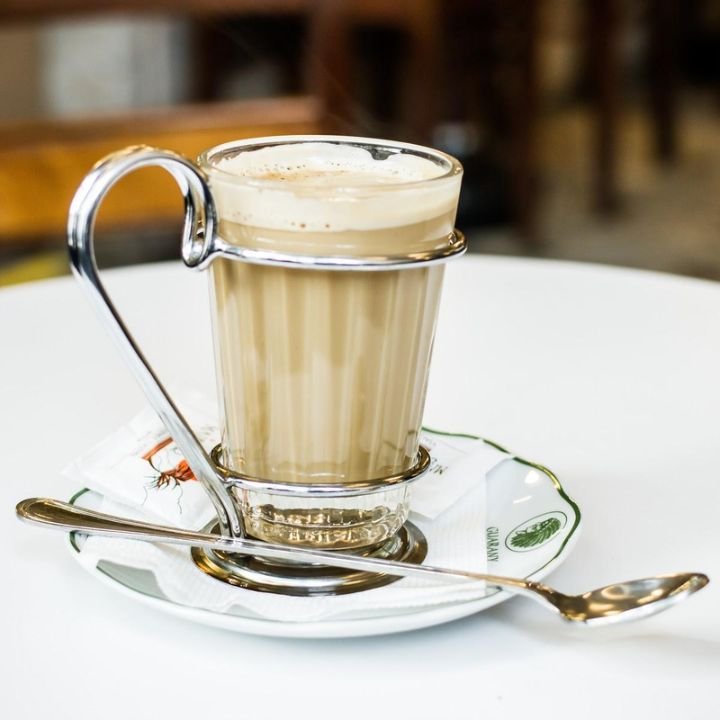
2. Galão (Coffee with Milk)
Galão is a milky coffee generally served in a tall glass. It contains espresso and considerably more milk.

3. Meia de Leite
This is a popular coffee-and-milk drink, traditionally prepared with approximately equal proportions of coffee and milk.

4. Sumo de Laranja (Orange Juice)
Fresh orange juice is another breakfast option, especially for people who prefer fruit drinks.
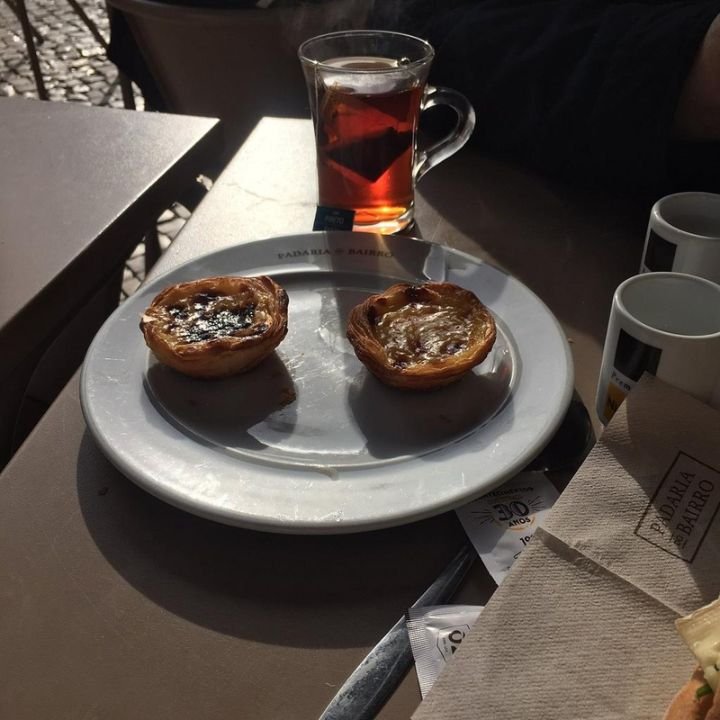
5. Chá (Tea)
Tea is available in Portuguese homes and cafés. It is a suitable alternative for people who do not prefer coffee
What Does a Portuguese Breakfast Menu Look Like?
If you visit a Portuguese café or bakery, you will usually find different types of bread, sandwiches, pastries, and hot or cold drinks.
Here is an example of a typical Portuguese breakfast menu. It is an illustrative list of common foods, not a fixed national menu.
| Category | Popular Items |
| Bread | Pão, papo-seco, fresh bread rolls |
| Toast | Torrada, buttered toast |
| Sandwiches | Pão com queijo, pão com fiambre |
| Pastries | Pastel de nata, croissant |
| Sweet Bread | Pão de Deus |
| Cakes | Bolo de arroz, queijadas |
| Coffee | Bica, galo, meia de leite |
| Other Drinks | Tea, milk, orange juice |
Prices vary considerably depending on the city, bakery, café, ingredients, and service. Therefore, it is better to check the current menu at the individual establishment rather than rely on a single national breakfast price.
Where Do Portuguese People Eat Breakfast?
Portuguese people usually have their morning meals at home or at a local coffee shop or bakery. These types of establishments play an integral role in their daily dining habits.
Here are three common places to experience a Portuguese breakfast:
1. Cafés: A lot of locals go to cafés to have coffee, bread with butter/jam, sandwiches, and other baked goods. Most of these individuals will grab a quick bite to eat prior to beginning their day’s schedule.
2. Pastelarias: A “pastelaria” is a pastry shop that sells a variety of newly made cakes, sweet breads, custard tarts and other baked goods. They are excellent places to try some of Portugal’s traditional pastries.
3. At Home: most families will make a basic homemade breakfast of bread, butter, cheese, ham, milk, coffee, fruit or cereal. What each family chooses to include in their breakfast depends on what they like and how long they have to get ready for school/work.
How Is Portuguese Breakfast Different from Other Countries?
Portuguese breakfast is generally lighter than the traditional cooked breakfasts associated with countries such as the United Kingdom or the United States.
For example, a British breakfast may include eggs, sausages, bacon, baked beans, mushrooms, and toast. An American breakfast may feature pancakes, eggs, hash browns, and other filling dishes.
In comparison, a typical Portuguese breakfast often focuses on bread, coffee, toast, sandwiches, and pastries.
| Country | Common Breakfast Foods |
| Portugal | Bread, butter, coffee, pastries |
| United Kingdom | Eggs, bacon, sausages, toast |
| United States | Pancakes, eggs, cereal, toast |
| France | Croissants, baguette, coffee |
| Spain | Toast, coffee, pastries |
These are general comparisons rather than strict rules. Eating habits vary between individuals and regions.
How to Make a Simple Portuguese Breakfast at Home
You do not need to travel to Portugal to enjoy a Portuguese-inspired breakfast. You can prepare a simple version using ingredients available at most supermarkets.
Here is an easy breakfast combination:
Ingredients:
- 2 slices of fresh bread
- Butter or fruit jam
- 1 cup of milk coffee
- 1 pastel de nata or another sweet pastry
- Fresh orange juice (optional)
Preparation:
- Take fresh bread and toast it lightly.
- Spread butter or your preferred fruit jam over the bread.
- Prepare espresso with hot milk to make a galão-style drink.
- Serve the toast with a Portuguese custard tart or another pastry.
- Add fresh orange juice if desired.
This combination provides a simple way to experience some familiar Portuguese breakfast flavours at home
Is Portuguese Breakfast Healthy?
The nutritional value of a Portuguese breakfast will vary based upon the specific food items used to prepare it, along with the quantity of each item. For example, bread is an excellent source of carbohydrates; cheese and milk are good sources of both protein and calcium. Fresh fruit and unsweetened juice can also supply you with vitamins and other essential nutrients.
Conversely, some traditional baked goods (sweet breads), and buttered toast can have high levels of sugar, fats, or calories.
For a better balanced breakfast, eat whole grain bread with fresh fruit, plain yogurt, cheese, and a drink that would go well with these foods. While you should not rely on pastel de nata and other Portuguese pastries as your daily source of nutrients, it is okay to indulge in them once in a while as part of a varied diet.
The most important thing to remember is that there’s no way to know if a Portuguese breakfast will be good for you or bad for you. Whether it’s healthy or unhealthy depends on what types of food you choose and how you prepare those foods.
Best Time to Enjoy a Portuguese Breakfast
In Portugal, breakfast typically takes place from 7:30 to 10:00 a.m. There are numerous coffee shops and bakeries that open early to accommodate breakfast-goers.
Weekdays are usually very active as individuals stop to pick up a morning beverage and a snack on their way to work or school. Weekends may provide an opportunity to slow down and allow family members and friends to enjoy each others’ company over breakfast.
When traveling through Portugal, make sure to visit a local neighborhood pastelaria in the morning. This is an excellent opportunity to sample some authentic Portuguese cuisine and get a feel for what life is like on a daily basis.
Read More: Pizza Hut Menu Prices 2026 || Denny’s Breakfast Menu With Prices || Shake Shack Breakfast Menu
FAQs About Portuguese Breakfast
1. What is a traditional Portuguese breakfast?
A traditional Portuguese breakfast usually includes fresh bread, butter, cheese, ham, toast, pastries, and coffee.
2. What is breakfast called in Portugal?
Breakfast is called pequeno-almoço in Portuguese.
3. Do Portuguese people eat pastel de nata for breakfast?
Yes. Many people enjoy pastel de nata with coffee, although it is also eaten as a snack or dessert.
4. What is the most popular Portuguese breakfast drink?
Coffee is particularly popular. Bica, galo, e meia de leite são familiares choques.
5. What is galão in Portugal?
Galão is a Portuguese coffee drink made with espresso and plenty of milk, usually served in a tall glass.
6. What time do Portuguese people eat breakfast?
Many people eat breakfast between 7:30 AM and 10:00 AM.
7. Is Portuguese breakfast sweet or savoury?
It can be both. Popular sweet options include pastries, while savoury choices include bread, ham, cheese, and toast.
8. What is pão de Deus?
Pão de Deus is a traditional Portuguese sweet bread topped with a coconut mixture.
9. Do Portuguese people eat eggs for breakfast?
Some people eat eggs, but bread, coffee, pastries, and sandwiches are more characteristic of the traditional everyday breakfast.
10. Where can tourists try an authentic Portuguese breakfast?
Tourists can visit local cafés, bakeries, and pastelarias throughout Portugal.
Conclusion
A Portuguese breakfast reflects the country’s simple yet enjoyable food traditions. From fresh bread and butter to toasted sandwiches, pastel de nata, and traditional coffee, there are plenty of options to explore. Although breakfast habits differ between families and regions, cafés and pastelarias remain important places for experiencing everyday Portuguese food culture.
Whether you prefer sweet pastries or savoury sandwiches, trying a traditional Portuguese breakfast is a wonderful way to discover Portugal’s culinary identity.